When a Shop-Vac Plus Degreaser Beats a Washer in a Garage
For a small, greasy spot or a garage where runoff is a problem, a degreaser and careful cleanup can beat the water and overspray of a pressure washer. For broad concrete cleaning, a washer is often faster.
When a shop-vac plus degreaser beats a washer in a garage
A shop-vac and degreaser can be the better choice for a small oil or grease spot, especially when you need to limit water, overspray, or runoff in an enclosed garage. A pressure washer is usually more practical for cleaning a large area of bare concrete—but it can push water under doors, splash walls and stored items, and leave you with dirty water to manage.
One important caveat: do not vacuum degreaser or other cleaning chemicals unless both the product label and your vacuum’s manual specifically allow it. Many vacuums are not designed to collect flammable liquids or chemical vapors. Use absorbent material or towels for the cleaner unless the instructions say otherwise.
Choose spot cleaning for isolated grease
For a small stain, apply a degreaser labeled for the surface and follow its directions for dilution and dwell time. Scrub with a stiff brush if the label permits, then collect the residue with disposable absorbent material or towels. Keep the area ventilated, wear the protective gear listed on the label, and dispose of the waste as directed.
This approach makes sense when:
The grease is confined to one or a few spots.
You want to avoid soaking the whole floor or nearby belongings.
The garage has limited drainage, or wash water could reach a doorway or drain.
The floor is sealed, coated, or otherwise needs a cautious spot-cleaning test.
Test the cleaner on an inconspicuous area first. Degreasers can discolor or damage some coatings, and a shop-vac does not make incompatible chemicals safe to collect.
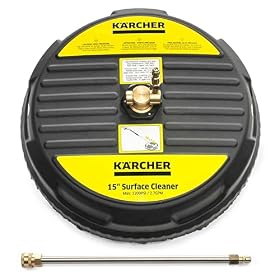
Product prices and availability are accurate as of the date/time indicated and are subject to change. Any price and availability information displayed on Amazon.com at the time of purchase will apply to the purchase of this product.
Use a pressure washer for broad, water-tolerant cleanup
A pressure washer can save time on a large area of uncoated concrete with widespread dirt or grime. It is also useful when you can work outdoors or have a safe, permitted way to control the rinse water.
Before washing, check the floor’s condition and the washer manufacturer’s instructions. High pressure can damage coatings, force water into cracks, or etch some concrete. Start with a wider spray pattern, keep the nozzle moving, and test an inconspicuous spot. Avoid spraying electrical equipment, outlets, stored items, or openings where water could enter the building.
A washer is a poor fit if you cannot contain the runoff, the garage is packed with water-sensitive items, or the floor coating may not tolerate pressure or detergent.
Product prices and availability are accurate as of the date/time indicated and are subject to change. Any price and availability information displayed on Amazon.com at the time of purchase will apply to the purchase of this product.
A safer cleanup sequence
Remove loose dirt first. Sweep or vacuum dry debris using equipment intended for that job.
Check the surface and product labels. Confirm the degreaser is appropriate for the floor and follow its instructions. Do not mix cleaners.
Treat only what needs cleaning. For a small stain, apply the cleaner as directed and scrub if appropriate.
Collect residue without guessing about vacuum compatibility. Use absorbent material or towels unless both the cleaner label and vacuum manual permit wet pickup of that product.
Rinse only when appropriate. If the cleaner calls for rinsing, use a controlled amount of water and manage it according to local rules. A wet/dry vacuum may collect rinse water only if its manual permits that use and it is set up correctly.
Never use a shop-vac to collect gasoline, solvents, or other flammable liquids or vapors. If a spill involves a hazardous chemical or a large amount of oil, follow the product safety instructions and local disposal guidance rather than washing it into a drain.
Bottom line
For a few greasy spots, controlled degreasing and careful residue collection usually create less mess than pressure washing a whole garage. For widespread grime on sound, water-tolerant concrete, a pressure washer can be faster—provided you can protect nearby items and manage runoff. If a coating is uncertain, test a small area or consult the coating manufacturer before using either aggressive chemicals or high pressure.
FAQ
Can I vacuum degreaser with a shop-vac?
Only if both the degreaser label and your vacuum’s manual specifically allow it. Do not vacuum flammable liquids or vapors; use absorbent material or towels when compatibility is unclear.
Is a pressure washer safe for a garage floor?
It can be suitable for sound, uncoated concrete, but high pressure may damage coatings, etch concrete, or force water into cracks. Check the floor and washer instructions, then test a small inconspicuous area.
What is the best way to clean one oil spot in a garage?
Use a degreaser labeled for the floor, follow its directions, scrub if permitted, and collect the residue with absorbent material. Avoid rinsing cleaner into a drain, and do not vacuum it unless the product and vacuum instructions allow it.