Cold-water pressure washers are usually the practical choice for homes and general outdoor cleaning. Hot-water units add heat that can break down grease and oil, but they cost more, require more maintenance, and are often better suited to commercial work.
What do you need help with?
Open an answer, or tell us what we should cover next.
Answered in this guide
Choose between a cold-water and hot-water pressure washer
Choose a cold-water washer for routine home and outdoor cleaning. Choose a hot-water unit when grease, oil, or baked-on residue is common and the added cost, maintenance, and safety concerns make sense.
Understand when hot water is worth paying more for
Hot water is most useful for breaking down grease, oil, and baked-on residue. It is usually unnecessary for dirt, mud, mildew, dust, and other common household cleaning tasks.
Understand how pressure, water flow, and heat differ
PSI describes the force available at the surface, while GPM affects how quickly loosened debris rinses away. Heat solves a different problem by helping break down oily or greasy contaminants.
Use caution with hot water because it can soften finishes, loosen adhesives, affect plastics, remove protective coatings, or create burn risks on surfaces that tolerate cold-water cleaning.
Check simple causes such as the nozzle and other basic components before assuming the pump or motor has failed. Weak results can come from an easy-to-fix restriction or setup problem.
Request a topic and help us choose what to build next.
Decide whether to rent or buy a hot-water washer
Decide whether to hire a professional for a tall house
Requests help us prioritize the next guide. No email required.
One anonymous request per topic.
A cold-water pressure washer is the better choice for most household cleaning, including siding, decks, patios, vehicles, fences, and general dirt. A hot-water unit becomes worthwhile when you regularly remove grease, oil, heavy food residue, or other oily soils that cold water and detergent cannot break down efficiently. The tradeoff is a higher purchase cost, added fuel and burner maintenance, greater weight, and more safety considerations.
Cold-water versus hot-water pressure washers at a glance
Consideration
Cold-water pressure washer
Hot-water pressure washer
Best for
Dirt, mud, dust, mildew, loose grime, and routine outdoor cleaning
Grease, oil, baked-on residue, commercial kitchens, shops, and industrial cleanup
Heat source
Uses the temperature of the incoming water
Uses a burner or heating system to raise water temperature
Cost and complexity
Usually simpler and less expensive
Usually more expensive and mechanically complex
Maintenance
Pump, hose, filter, nozzles, and engine or motor
All cold-water components plus burner, fuel system, coils, and heat-related parts
Portability
Often easier to move and store
Commonly heavier and bulkier
Surface risk
Mainly related to pressure, nozzle choice, and chemicals
Includes all pressure risks plus heat-related damage and burn hazards
When a cold-water pressure washer is the right choice
Choose a cold-water unit when most of your jobs involve water-soluble dirt or loose outdoor contamination. Typical uses include:
Cleaning patios, sidewalks, driveways, and fences
Washing siding and outdoor furniture
Removing mud from vehicles, equipment, and tools
Rinsing decks and preparing surfaces for painting
Cleaning boats, trailers, and lawn equipment
Applying detergent before rinsing
Cold water can clean effectively when the nozzle, pressure, water flow, detergent, and technique match the surface. For many jobs, dwell time matters more than adding heat: apply an appropriate detergent, let it work according to the label, and rinse before it dries.
A cold-water washer is also usually easier to justify for occasional use. It avoids a burner and separate fuel system, which can reduce storage, startup, maintenance, and operating concerns.
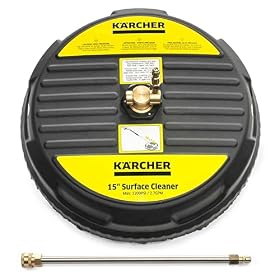
Product prices and availability are accurate as of the date/time indicated and are subject to change. Any price and availability information displayed on Amazon.com at the time of purchase will apply to the purchase of this product.
When hot water is worth the added complexity
Heat helps soften and dissolve oily contamination. A hot-water pressure washer may be worthwhile for repeated cleaning of:
Greasy floors and equipment in garages or repair shops
Food-processing or commercial kitchen areas
Restaurant dumpster pads and loading areas
Agricultural equipment with oily buildup
Construction equipment and machinery
Automotive parts and heavily contaminated fleet equipment
Hot water is not simply a more powerful version of cold water. Its main advantage is cleaning chemistry: heat can reduce the viscosity of grease and oil, helping detergent and water carry contamination away. It may also reduce the time and chemical concentration needed for some jobs.
If your cleaning tasks are mostly mud, dust, pollen, algae, or ordinary household grime, the added heat may not provide enough benefit to justify the extra cost.
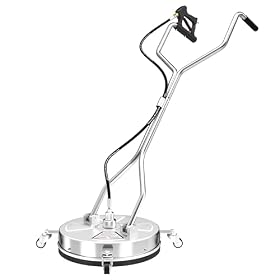
Hot-water option for grease and commercial cleanup
Product prices and availability are accurate as of the date/time indicated and are subject to change. Any price and availability information displayed on Amazon.com at the time of purchase will apply to the purchase of this product.
Pressure and heat solve different problems
PSI measures pressure, while GPM measures water flow. PSI helps with the force available at the surface; GPM helps determine how quickly the washer can rinse and move loosened debris. Heat adds a separate cleaning advantage and does not replace the need for suitable pressure and flow.
A hot-water unit with unsuitable pressure or flow can still perform poorly. Likewise, increasing pressure is not the correct solution for every dirty surface. Excessive pressure can strip paint, etch concrete, damage wood, force water behind siding, or harm vehicle finishes.
For a purchase decision, compare the complete specification set rather than focusing only on the highest PSI number:
PSI: Available cleaning force, subject to nozzle and distance
GPM: Rinsing speed and water consumption
Water-temperature rating: The maximum inlet or outlet temperature allowed by the manufacturer
Power source: Electric motor, gasoline engine, or burner fuel system
Hose and accessory ratings: Whether the hose, spray gun, wand, and fittings are suitable for hot water
Duty cycle: Whether the machine is intended for occasional, commercial, or continuous work
Portability: Weight, frame, wheels, and storage space
Do not connect a standard cold-water hose, spray gun, or accessory to heated water unless it is specifically rated for that temperature and pressure.
Product prices and availability are accurate as of the date/time indicated and are subject to change. Any price and availability information displayed on Amazon.com at the time of purchase will apply to the purchase of this product.
Operating cost and maintenance
Cold-water machines generally have fewer systems to maintain. Depending on the design, maintenance may include changing engine oil, inspecting the pump oil, cleaning inlet screens, checking fittings, and protecting the pump from freezing.
Hot-water units add components that can require inspection or service, such as:
Burner and ignition components
Fuel tank, pump, and filter
Heating coil or heat exchanger
Temperature controls and safety switches
Soot or scale buildup
Additional seals, hoses, and high-temperature fittings
Fuel use varies by machine, water temperature, flow, and workload. Follow the manufacturer's maintenance schedule and use only the specified fuel and cleaning procedures. Burner adjustments, fuel-system repairs, and combustion problems should be handled by a qualified technician when the manual does not provide a safe owner procedure.
Hard water can also contribute to scale in heated components. If you operate a hot-water washer frequently, pay attention to the manufacturer's water-quality guidance and descaling recommendations.
Surface safety: heat is not automatically better
Hot water can damage materials that tolerate cold-water cleaning. Heat may soften finishes, loosen adhesives, affect some plastics, remove protective coatings, or increase the risk of burns. The combination of heat, pressure, and chemicals can be especially aggressive.
Before using a hot-water unit:
Check the surface and coating manufacturer's cleaning guidance.
Test a small, inconspicuous area.
Begin with the lowest practical pressure and temperature.
Keep the spray moving rather than concentrating it in one place.
Maintain the recommended distance from the surface.
Use only detergents approved for the machine and application.
Wear eye protection, protective footwear, and other equipment appropriate to the work.
Never assume that hot water will sanitize a surface. Sanitizing depends on the actual temperature, contact time, cleaning chemistry, and applicable health requirements. Follow the relevant product and workplace procedures instead.
Can you use hot water in a cold-water pressure washer?
Usually, you should not do so unless the manufacturer explicitly permits it and states the maximum allowable inlet temperature. A cold-water pump, hose, seal, spray gun, or other component may be damaged by water that is too hot. The warranty may also exclude damage caused by exceeding the rated inlet temperature.
A hot-water pressure washer is designed with components and controls intended for heated operation. Check the manual for the permitted water temperature, fuel requirements, startup and shutdown procedure, and accessory ratings.
Which type should you buy?
Choose cold water if:
You clean homes, vehicles, patios, decks, and driveways.
Your main contaminants are dirt, mud, mildew, dust, and loose grime.
You use the washer occasionally or seasonally.
You want lower equipment cost and simpler maintenance.
You have limited storage or need a lighter machine.
Choose hot water if:
Grease and oil are a frequent part of your workload.
You clean commercial, agricultural, automotive, or industrial equipment.
Faster removal of oily contamination can offset fuel and maintenance costs.
You have suitable ventilation, storage, water supply, and operating space.
You are prepared to maintain the burner and high-temperature components.
For occasional grease removal, a cold-water pressure washer with an appropriate degreaser may be sufficient. For daily or high-volume oily cleanup, the time saved by heat may justify a hot-water unit or a professional cleaning service.
Troubleshooting a washer that is not cleaning well
If either type produces weak results, check the simple causes before assuming the pump or motor has failed:
Inspect the nozzle. A partially blocked or worn nozzle can change the spray pattern and reduce cleaning performance. Clean or replace it according to the manual.
Check the water supply. Confirm that the faucet is fully open, the inlet screen is clean, and the supply hose is not kinked or too small for the machine.
Inspect the high-pressure hose and gun. Look for kinks, leaks, damaged fittings, or a trigger that does not open fully.
Verify detergent setup. Use the correct injector, tank setting, dilution, and low-pressure detergent nozzle. Many machines will not draw detergent at high pressure.
Confirm the technique. Use the recommended distance, overlap passes, and dwell time. Avoid letting detergent dry on the surface.
For hot-water units, check the burner system. Confirm that the fuel supply, switch settings, and temperature controls match the manual. Do not bypass safety switches or troubleshoot fuel leaks with the machine operating.
Stop for pump or electrical symptoms. Unusual noises, oil or fuel leaks, repeated breaker trips, smoke, overheating, or pressure that pulses after basic checks require service or a qualified inspection.
A replacement nozzle, hose, inlet screen, or compatible seal may be the sensible fix when that part is visibly worn or damaged. If a pump, burner, frame, or major electrical component has failed—especially on an older or heavily used machine—compare repair labor and parts availability with replacing the unit. Disconnect power and relieve water pressure before inspecting accessories or fittings, and follow the manufacturer's instructions throughout.
Is a hot-water pressure washer better than a cold-water pressure washer?
Not for every job. Hot water is better at breaking down grease and oil, while cold water is usually sufficient for dirt, mud, mildew, patios, siding, vehicles, and routine household cleaning. Choose based on the contaminants you regularly remove.
Can hot water damage a pressure washer?
Yes, if the machine is not designed for heated water or the inlet temperature exceeds its rating. Check the manual before using warm or hot water, and never assume that a cold-water model can accept the output of a water heater.
Does hot water remove the need for detergent?
No. Heat can improve grease removal, but detergent, dwell time, pressure, flow, and rinsing still affect the result. Use only products approved for the washer and the surface.
Are hot-water pressure washers safe for cars?
They can be, but heat and pressure increase the risk of damaging paint, trim, decals, tires, and coatings. Follow the vehicle and pressure-washer manufacturers' guidance, use conservative settings, and test an inconspicuous area first.