Pump saver fluid helps protect a pressure washer pump from freezing, corrosion, and dry-start damage during storage. Here is what to buy and how to use it correctly.
Pump saver fluid is a worthwhile purchase before storing a pressure washer through its first winter, especially if the machine will be kept in an unheated garage or shed. Choose a product labeled for pressure washer pumps, confirm that it matches your washer’s manufacturer guidance, and use it after draining the water from the pump and hose.
What pump saver fluid does
A pressure washer pump can retain water after the machine is shut off. If that water freezes, it may expand and damage the pump housing, seals, fittings, or unloader components. Pump saver fluid helps by:
Displacing or protecting against residual water
Reducing corrosion during storage
Lubricating internal seals and pump components
Helping prevent damage from a dry start after storage
It is not a substitute for draining the washer. Remove as much water as possible first, then apply the storage fluid according to the product and pressure washer instructions.
What to look for when buying
Pressure-washer compatibility
Select fluid specifically labeled for pressure washer pumps or the pump type identified in your owner’s manual. Do not assume that automotive antifreeze, engine oil, or general-purpose lubricant is suitable. Incorrect fluids can damage seals, contaminate the system, or create a discharge hazard when the washer is used again.
If the manufacturer specifies a particular storage product or prohibits certain chemicals, follow that instruction instead of relying only on the label of a third-party fluid.
Connection method
Pump saver products generally use one of two application methods:
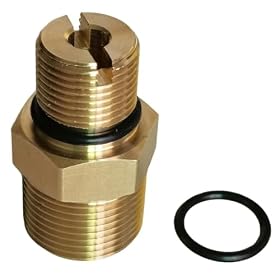
Threaded aerosol can: Screws onto a compatible water inlet and releases fluid under pressure. This is convenient when the inlet and included adapter match.
Bottle or liquid applicator: Feeds fluid through an adapter, hose, or pump inlet. This may be useful when an aerosol connection is not compatible with the washer.
Check the inlet connection before buying. A product is less useful if it requires an adapter that is not included or does not fit your pressure washer.
Freeze protection claims
Look for clear instructions describing storage or freeze protection for pressure washer pumps. Do not treat every “lubricant” or “protectant” as a freeze-proofing product. The label should explain how the fluid is introduced and whether it is intended for seasonal storage.
Amount and reuse
Follow the package directions for the required amount. Some products are applied until fluid exits the pump outlet; others specify a measured quantity. Do not pour in extra fluid on the assumption that more protection is better.
A small pressure washer may need less fluid than a larger unit, but the correct amount depends on the pump design and application method. Never estimate from the tank or engine size alone.
Product prices and availability are accurate as of the date/time indicated and are subject to change. Any price and availability information displayed on Amazon.com at the time of purchase will apply to the purchase of this product.
How to apply pump saver fluid
The exact process varies, so use the owner’s manual and product label as the final authority. A typical procedure is:
Turn off the pressure washer and let the engine or motor cool.
Disconnect the power cord or remove the ignition source as appropriate. For gas models, follow the manufacturer’s storage instructions for fuel and engine shutdown.
Disconnect the garden hose, spray hose, and spray gun.
Squeeze the trigger briefly to release trapped pressure.
Tilt or drain the unit as the manual permits so standing water can leave the pump and hoses.
Attach the pump saver applicator to the pump’s water inlet, using only the supplied or specified adapter.
Open the applicator until the product reaches the pump according to the label directions. Some products call for activating the trigger or observing fluid at the outlet.
Close the applicator, remove it, and cap the inlet if the manufacturer recommends doing so.
Store the pressure washer in a dry location protected from freezing, even after applying pump saver fluid.
Keep the spray wand pointed in a safe direction and wear eye protection if the instructions call for operating the trigger or pressurizing the system. Never work on a running gas pressure washer indoors, and do not operate a fuel-powered unit in a garage or other enclosed space.
Common buying mistakes
Using automotive antifreeze
Automotive antifreeze is not automatically safe for a pressure washer pump. It may contain additives that are unsuitable for pump seals or that create an environmental problem when discharged. Use only a product whose label and pressure washer instructions support the application.
Applying fluid to a wet, pressurized system
Residual water should be drained and pressure released before storage treatment. Forcing fluid into a pressurized system can cause uncontrolled spray or damage connections.
Ignoring the hose and gun
Pump saver primarily protects the pump. Water may still remain in the high-pressure hose, spray gun, wand, or fittings. Drain and store these parts as directed by the manufacturer. If the manual recommends separate protection for a component, follow that instruction.
Storing the washer outdoors
Pump saver cannot correct every problem caused by outdoor exposure. Rain, condensation, freezing temperatures, and temperature swings can damage electrical parts, hoses, fittings, and engines. Indoor, dry, protected storage is preferable.
When pump saver is especially important
Buy and apply pump saver before storage if:
The washer will be kept where temperatures may fall below freezing.
The unit uses an expensive or difficult-to-replace pump.
You cannot confirm that all internal water has been removed.
The pressure washer will sit unused for several months.
The manufacturer specifically recommends seasonal pump protection.
If the washer will remain in a reliably heated space and the manual permits simple draining, pump saver may be less necessary. It can still provide storage lubrication, but it should not replace the manufacturer’s normal storage procedure.
If the pressure washer was already frozen
Do not start the washer while it is still frozen. Move it to a warm, dry area and allow it to thaw completely. Inspect the pump housing, fittings, hose, and connections for cracks or bulges. After thawing, look for leaks during a cautious inspection, but do not operate a damaged or leaking unit.
A cracked pump, persistent leak, abnormal noise, or loss of pressure usually calls for a compatible replacement part or service by a qualified repair professional. If the pump and other major components are damaged, replacing the pressure washer may be more practical than repairing it. Follow the manufacturer’s guidance before attempting disassembly.
Bottom line
For winter storage, buy a pressure-washer-specific pump saver that is compatible with your pump and has a connection method that fits your water inlet. Drain the machine first, release pressure, apply only the directed amount, and store the unit somewhere dry and protected from freezing. When the label and owner’s manual disagree, follow the manufacturer’s instructions or ask an authorized service professional.
FAQ
Do I really need pump saver for a pressure washer?
It is most useful when the pressure washer will be stored where temperatures can freeze or when residual water may remain in the pump. It also provides storage lubrication, but it does not replace draining the machine or following the owner’s manual.
Can I use RV antifreeze instead of pressure washer pump saver?
Do not substitute RV antifreeze unless the pressure washer manufacturer specifically approves it. Use a product labeled for the pump and application because formulas may affect seals, discharge safety, or pump components.
When should I apply pump saver fluid?
Apply it after the final use of the season, once the washer is turned off, pressure is released, hoses are disconnected, and residual water has been drained as directed.
Can pump saver repair a pressure washer damaged by freezing?
No. Pump saver may help prevent freeze-related damage during storage, but it cannot repair a cracked pump housing, broken fitting, damaged seal, or other failure.