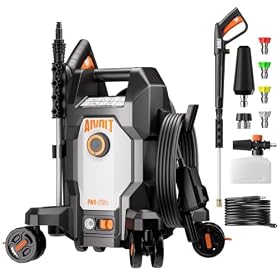
Best electric washer if you only have a 15 amp circuit
A 15-amp circuit can run many electric pressure washers, but the washer's nameplate amperage, startup load, extension cord, and other devices sharing the circuit all matter. Use this guide to choose a practical model without overloading the circuit or sacrificing the pressure needed for your job.
Best electric washer if you only have a 15 amp circuit
The safest choice for a 15-amp circuit is an electric pressure washer whose nameplate current is comfortably below 15 amps, used on a properly grounded, GFCI-protected outlet with no other high-draw appliances running on the same circuit. Do not choose based on PSI alone: compare the washer's amperage, cleaning-unit rating, cord requirements, and the type of surface you plan to clean.
What to look for on a 15-amp circuit
Check the washer's rated amperage first
Look for the operating current on the product label, manual, or manufacturer specifications. A pressure washer rated close to the circuit's maximum leaves little margin for motor startup, voltage drop, or another device sharing the circuit.
A lower-amp washer is generally easier to live with on a 15-amp household circuit. However, lower amperage does not automatically mean weak cleaning performance. Compare PSI and GPM together:
PSI describes pressure and helps with stuck-on dirt.
GPM describes water flow and affects how quickly dirt is rinsed away.
Cleaning power depends on both pressure and flow, not either number by itself.
For light vehicle washing, patio furniture, outdoor furniture, and routine household cleanup, an electric unit with moderate pressure and flow is often sufficient. Concrete, heavily stained masonry, and large decks may require more performance, but a higher-rated washer could be a poor match for a limited circuit.
Leave electrical headroom
A 15-amp circuit is not a target operating load. Other equipment may be connected to the same circuit, and a motor can draw more current briefly when starting. If the pressure washer trips the breaker when the pump motor starts, the problem may be insufficient circuit capacity, a shared circuit, an overly long or undersized extension cord, or a mechanical fault.
Use the washer on a circuit that is not also powering a refrigerator, shop vacuum, space heater, compressor, or other high-draw appliance. If you are unsure which outlets are on the same circuit, turn off the breaker and check them, or ask a qualified electrician.
Extension cords matter more than many buyers expect
Pressure washers are often used far from an outlet, but a long or undersized extension cord can cause voltage drop. That can reduce motor performance, cause nuisance trips, and increase heat in the cord or connections.
Follow the pressure washer manufacturer’s instructions for cord length, wire gauge, outdoor rating, and maximum allowable resistance. In general:
Use a heavy-duty, outdoor-rated cord intended for the washer’s current draw.
Keep the cord as short as practical.
Do not connect multiple extension cords together.
Do not use a power strip, household multi-outlet adapter, or light-duty indoor cord.
Fully unwind a cord from a reel before drawing substantial current.
Keep plug connections away from standing water and use weather protection appropriate for the setup.
A longer cord is not a free substitute for a longer pressure washer hose. When practical, place the washer closer to the outlet and use a longer, manufacturer-approved high-pressure hose instead of adding excessive electrical-cord length.
Electric pressure washer for a 15-amp household circuit
Product prices and availability are accurate as of the date/time indicated and are subject to change. Any price and availability information displayed on Amazon.com at the time of purchase will apply to the purchase of this product.
GFCI protection and outdoor safety
Outdoor pressure-washer outlets should have GFCI protection. A GFCI helps reduce shock risk by disconnecting power when it detects an imbalance, but it does not make damaged equipment safe and does not replace proper grounding.
Before use, inspect the plug, cord, GFCI, hose, and connections. Do not operate the washer if the cord has cuts, crushed sections, exposed conductors, damaged prongs, or heat damage. Keep the electrical connection off the ground and away from spray. Follow the manufacturer’s instructions for testing the GFCI and for connecting the water supply.
Never remove the grounding pin, bypass a GFCI, or use an adapter that defeats the outlet’s protection. If a breaker or GFCI trips repeatedly, unplug the washer and stop troubleshooting until the cause is identified. A qualified electrician or authorized service provider should inspect persistent electrical problems.
Features that help when power is limited
Adjustable pressure or interchangeable nozzles
The ability to reduce pressure is useful for cars, painted surfaces, wood, and other materials that can be damaged by concentrated spray. It also lets you match the spray to the task instead of relying on maximum output all the time.
Use the nozzle and distance specified by the manufacturer. A narrow spray held too close can etch concrete, remove paint, damage wood fibers, or force water behind siding and seals.
Total-stop or automatic motor control
Many electric pressure washers stop the motor when the trigger is released and restart when it is squeezed. This can reduce unnecessary running time, noise, and heat. It does not eliminate startup current, and frequent rapid cycling may be hard on the pump or motor. Do not leave the washer pressurized and unattended for long periods.
Adequate hose and water supply
A restrictive garden hose, clogged inlet screen, kinked supply hose, or inadequate water flow can make an electric washer perform poorly. Check the required inlet flow and connection size before buying. A pressure washer should not be operated without a reliable water supply unless the manufacturer specifically permits that setup.
Detergent application
A built-in tank is convenient, but it is not essential if the washer supports an appropriate downstream or siphon detergent system. Use only detergents approved for pressure washers and the surface being cleaned. Household bleach and incompatible chemicals can damage components, harm surfaces, and create safety hazards.
Match the washer to the job
Cars and light outdoor cleaning
Prioritize controllable pressure, a suitable wide-angle nozzle, detergent compatibility, and a hose long enough to move around the vehicle without dragging the machine. Excessive pressure is more likely to damage trim, emblems, paint defects, or seals than to improve the result.
Siding, fences, and decks
Look for pressure adjustment and clear guidance for wood, vinyl, composite, or painted surfaces. Start at a greater distance with a wider spray and increase cleaning intensity only when the surface tolerates it.
Concrete and masonry
Flow rate and a consistent spray pattern can matter as much as peak PSI. A surface cleaner may produce more even results than a narrow nozzle, but confirm that the washer has enough flow for the attachment. Concrete can be etched by concentrated spray, especially when the nozzle is held too close.
What to do if the breaker trips
If a pressure washer trips a 15-amp breaker, work through these checks in order:
Turn off other loads. Disconnect or switch off appliances and tools sharing the circuit.
Check the extension cord. Confirm its outdoor rating, wire gauge, length, and condition against the washer manual. Try the washer directly at the outlet only if doing so is safe and practical.
Inspect the plug and outlet. Look for heat, discoloration, looseness, moisture, or damage. Do not use a damaged outlet.
Check the water supply. A kinked hose, blocked inlet screen, or inadequate water flow can put abnormal strain on the pump.
Check for a blocked spray path. Release pressure, disconnect power, and clean the nozzle according to the manual. Never inspect or clear the nozzle while the machine is energized.
Reset the GFCI or breaker once. If it trips again, stop. Repeated resets can indicate a fault rather than a simple overload.
Have the washer inspected. A seized pump, failing motor, damaged cord, water intrusion, or internal electrical problem requires qualified service.
If the machine trips only with a particular extension cord, replace the cord with one that meets the manufacturer’s requirements. If it trips on multiple suitable circuits while other loads are off, repair or replacement is more reasonable than continuing to reset the breaker.
When a different power setup is the better answer
A 15-amp circuit may not be the right place for a high-demand electric pressure washer. If the job requires a unit whose rated current is near the circuit limit, or if the circuit is shared and cannot be isolated, consider a lower-draw washer or have an electrician evaluate whether a properly wired dedicated circuit is appropriate.
Do not install a larger breaker simply to stop nuisance trips. The breaker protects the circuit wiring, and changing its rating without confirming the wiring and installation can create a fire hazard. Electrical modifications should be handled by a qualified professional and must comply with local requirements.
Bottom line
For a 15-amp circuit, choose an electric pressure washer with a conservative nameplate amp rating, useful PSI and GPM for your actual task, and manufacturer-approved cord requirements. Run it on a GFCI-protected circuit without competing high-draw loads, and favor hose length over excessive extension-cord length. If the breaker or GFCI repeatedly trips after those basics are addressed, stop using the machine and investigate the electrical or mechanical fault rather than repeatedly resetting it.
FAQ
Can any electric pressure washer run on a 15-amp circuit?
No. Check the washer's rated amperage and manufacturer requirements first. A unit close to the circuit limit may trip the breaker, especially during motor startup or when other appliances share the circuit.
Should I use a 12-gauge extension cord with an electric pressure washer?
A 12-gauge cord may be appropriate for some pressure washers, but cord gauge, length, and allowable current must match the manufacturer's instructions. Use an outdoor-rated cord, keep it as short as practical, and do not connect cords together.
Why does my electric pressure washer trip the breaker?
Common causes include other loads on the circuit, an undersized or overly long extension cord, inadequate water flow, a clogged nozzle or inlet screen, a damaged cord, or a failing pump or motor. If it trips repeatedly after basic checks, stop using it and arrange qualified service.
Do I need a dedicated circuit for an electric pressure washer?
Not always. Many units can operate on a properly protected 15-amp circuit when the circuit has adequate capacity and no competing high-draw loads. A dedicated circuit may be appropriate for a higher-current unit or a frequently overloaded installation; have an electrician evaluate that need.