Gas Pressure Washer Dying Under Load: Causes and Fixes
A gas pressure washer that dies under load usually has a restricted water supply, clogged filter, incorrect setup, unloader problem, or an engine that cannot produce enough power. Check these causes in order before replacing the pump or pressure washer.
Gas pressure washer dying under load
If your gas pressure washer runs normally until you pull the trigger, the engine is being asked to handle load that it cannot support. The most common causes are restricted water flow, a clogged inlet filter, trapped pressure from incorrect startup, a leaking hose or connection, a malfunctioning unloader valve, or an engine fuel and air problem. Work through the simple water-supply and setup checks first; inspect the pump and engine only after those are ruled out.
First, identify when it dies
The timing of the stall helps narrow down the problem:
It dies immediately when the trigger is pulled: Check water supply, hose restrictions, the inlet screen, trapped air, the unloader valve, and pump binding.
It loses speed or surges but keeps running: Suspect restricted water flow, a dirty carburetor, a partially clogged air or fuel filter, stale fuel, or an engine speed problem.
It stalls after several seconds of spraying: Check overheating, fuel flow, the fuel-cap vent, and whether the pump is being left in bypass too long.
It dies only at high-pressure settings: The selected nozzle may be increasing pump load, or the unloader valve may not be regulating pressure correctly.
Release the spray-gun trigger and shut off the engine before disconnecting hoses, removing filters, or inspecting pump components. Follow the pressure washer manufacturer's instructions, and do not work on a hot engine or pressurized system.
1. Check the water supply and inlet filter
A pressure washer pump needs a steady supply of water. If the pump is starved, it can become noisy, lose pressure, or place unusual resistance on the engine.
Confirm that the outdoor faucet is fully open.
Make sure the garden hose is long enough and large enough for the washer's requirements.
Check for kinks, crushed sections, sharp bends, or a hose reel that is still partly wound.
Disconnect the hose from the pressure washer and briefly check that water flows freely from it.
Remove and rinse the small inlet screen or filter if the manual permits it.
Look for sand, rust, scale, or other debris blocking the screen.
Do not run a gas pressure washer without water. Never use a water source or hose arrangement that does not meet the manufacturer's requirements.
A clogged inlet screen is a common and inexpensive fix. If the screen is damaged, replace it with the correct part rather than operating without filtration.
Product prices and availability are accurate as of the date/time indicated and are subject to change. Any price and availability information displayed on Amazon.com at the time of purchase will apply to the purchase of this product.
2. Inspect the high-pressure hose, spray gun, and nozzle
A blockage on the outlet side can make the pump work harder and may cause the engine to bog down when the trigger is pulled.
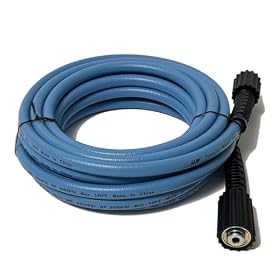
Check the high-pressure hose for kinks, crushed areas, cuts, or internal damage.
Inspect the spray-gun inlet and wand for dirt or debris.
Remove the spray tip and check its opening. A partially blocked nozzle can produce abnormal pressure and poor spray behavior.
Clean the tip only with the method recommended by the manufacturer; do not enlarge the opening with a drill or hard wire.
Try a known-good nozzle of the correct type and size.
If the washer runs normally with the nozzle removed but stalls when the nozzle is installed, the nozzle or downstream pressure-control system deserves attention.
Product prices and availability are accurate as of the date/time indicated and are subject to change. Any price and availability information displayed on Amazon.com at the time of purchase will apply to the purchase of this product.
3. Look for leaks and damaged seals
Leaks can reduce pressure, introduce air, or allow the pump to cycle incorrectly. Inspect the entire water path while the machine is off and depressurized:
Garden-hose connection and inlet fitting
Inlet filter housing
Pump manifold and fittings
High-pressure hose connections
Spray gun and wand connections
Detergent-injection fittings
A small amount of water at a threaded connection may indicate a loose or damaged seal. Replace worn O-rings with the correct size and material, and use only sealant approved for the connection. Do not keep tightening plastic fittings, since overtightening can crack them.
Water leaking from the pump body, oil mixed with water, or a pump that binds when turned off may indicate internal pump damage. At that point, a pump rebuild or replacement may be more practical than repeated external adjustments.
Product prices and availability are accurate as of the date/time indicated and are subject to change. Any price and availability information displayed on Amazon.com at the time of purchase will apply to the purchase of this product.
4. Correct the startup and operating setup
A gas pressure washer can stall if it starts with pressure trapped in the pump or if it is operated in bypass for too long.
Use this general startup sequence unless the manual specifies a different procedure:
Connect the water supply and turn it on fully.
Squeeze the spray-gun trigger until air is purged and water flows steadily.
Set the engine controls for starting.
Start the engine with the spray gun unpressurized if required by the manual.
Once the engine is running, pull the trigger and select the appropriate nozzle.
Do not leave the engine running with the trigger released for an extended period. With no water moving through the gun, the pump may recirculate and heat the water. This can damage the pump and make later stalling more likely.
Also verify that the pressure washer is sitting level, the fuel valve is open if equipped, the choke is fully disengaged after warm-up, and the throttle is set as directed. A throttle set too low may not let the engine produce enough power under pump load.
Product prices and availability are accurate as of the date/time indicated and are subject to change. Any price and availability information displayed on Amazon.com at the time of purchase will apply to the purchase of this product.
5. Check the unloader valve and pump load
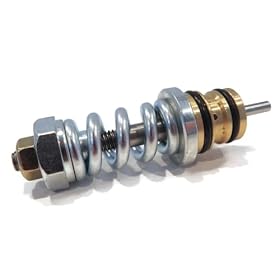
The unloader valve controls pump pressure when the spray-gun trigger is released. If it sticks, is adjusted incorrectly, or has damaged internal parts, pressure may remain trapped or rise too high when you pull the trigger. The engine may then bog down or stop.
Possible signs of an unloader problem include:
The engine stalls instantly when the trigger is pulled.
Pressure pulses or fluctuates without changing the nozzle.
The pump becomes unusually hot during short operation.
The pressure washer remains difficult to restart after the trigger is released.
Water continues to bypass or discharge abnormally.
Do not randomly turn the unloader adjustment. Its setting affects operating pressure and engine load, and an incorrect adjustment can damage the pump or create an unsafe pressure condition. Inspect or replace the valve only according to the pressure washer's service instructions. If the valve is integrated into the pump or you cannot identify the correct procedure, use a qualified small-engine or pressure-washer technician.
A worn pump can also create excessive mechanical load. Grinding noises, oil leakage, severe vibration, metal debris, or a pump shaft that does not turn smoothly are reasons to stop operating the machine.
6. Check the engine's fuel, air, and ignition systems
If water flow, hose condition, setup, and pump controls look correct, the engine may not be producing enough power. Basic checks include:
Fuel
Use fresh fuel of the type and ethanol limit specified by the engine manufacturer.
Confirm that the fuel valve and fuel line are open and unobstructed.
Inspect the fuel filter if fitted.
If fuel has been stored in the tank for a long time, draining and servicing the fuel system may be necessary.
A dirty carburetor can allow the engine to idle but starve it when the pump adds load. Cleaning or rebuilding a carburetor may require small-engine experience.
Air filter
A dirty air filter restricts airflow and can cause bogging when the engine needs more power. Remove and inspect it according to the manual. Foam and paper filters require different cleaning or replacement methods; do not wash a paper filter unless the manufacturer says it is washable.
Spark plug and ignition
A worn, fouled, damaged, or incorrectly gapped spark plug can cause misfiring under load. Inspect or replace it only with the specified part and gap. Disconnect the spark-plug lead before servicing, and keep hands away from moving or hot components.
If the engine still stalls under load after basic maintenance, the governor, carburetor, ignition coil, compression, or valve train may need professional diagnosis. Do not bypass the governor or alter engine speed to force more pressure.
Why does a pressure washer die when you pull the trigger?
The trigger causes the pump to build pressure, increasing the load on the engine. If water cannot flow freely, the unloader valve is malfunctioning, the pump is damaged, or the engine is weak from fuel, air, or ignition problems, the engine may bog down and stall. Start with the inlet screen, water supply, hose, nozzle, and startup procedure before investigating the engine.
When should you replace a part or the pressure washer?
Replace a filter, nozzle, O-ring, hose, or spark plug when it is visibly damaged, clogged beyond cleaning, or confirmed to be the cause. An unloader valve is usually worth replacing when the pump itself is in good condition and the correct service part is available.
A replacement pump can make sense when the engine runs well, the pump has internal damage, and the machine's frame, hose, gun, and engine remain in good condition. Replacing the entire pressure washer is more reasonable when the pump and engine both need major work, replacement parts are unavailable, or repair cost and effort approach the value of a comparable new unit.
Stop using the machine and seek qualified service if it leaks fuel, has damaged wiring, emits smoke, runs at uncontrolled speed, shows severe pump damage, or continues to stall after the basic checks.
FAQ
Can a clogged nozzle make a gas pressure washer stall?
Yes. A blocked or incorrect nozzle can create abnormal pressure and increase pump load. Remove the nozzle, inspect it, and try the correct clean nozzle specified for the machine. Do not enlarge the nozzle opening.
Should I adjust the unloader valve if the pressure washer dies under load?
Usually not as a first step. Incorrect adjustment can create excessive pressure or damage the pump. Inspect or replace the unloader only according to the manufacturer's service procedure, or have a qualified technician do it.
Why does my pressure washer run at idle but die when spraying?
Spraying makes the pump load the engine. Restricted water flow, a blocked nozzle, trapped pressure, a faulty unloader, pump damage, stale fuel, a dirty carburetor, or a restricted air filter can all cause this behavior.
Is it safe to keep restarting a pressure washer that stalls under load?
No. Repeatedly restarting it can worsen pump or engine damage. Turn off the fuel-powered engine, disconnect the spark-plug lead before service, relieve water pressure, and find the cause before operating it again.