Replacement High-Pressure Hose: How to Choose the Right One
A replacement high-pressure hose must match your pressure washer’s fittings, pressure rating, temperature rating, and connection style. Here’s how to choose one without risking leaks, poor performance, or equipment damage.
A replacement high-pressure hose needs to match your pressure washer—not just in length, but also in connection type, maximum pressure, temperature rating, and hose diameter. Before buying, check the specifications printed on the old hose and the pressure washer manual. A hose that looks compatible may still leak, restrict flow, or fail under pressure if its fittings or ratings are wrong.
Check compatibility first
The most important detail is how the hose connects to the pressure washer and spray gun. Common connection styles include:
Quick-connect fittings: Push-and-lock connections that allow the hose to be removed without tools.
Threaded fittings: Screw-on connections that may use different thread sizes or standards.
Proprietary fittings: Connections designed for a specific brand or product line.
Do not assume that two quick-connect hoses are interchangeable. The plug and socket must have the same size, profile, and locking arrangement. If the original hose uses an adapter, determine whether you need to reuse it or replace it with a compatible adapter.
Also check both ends of the hose. Some pressure washers use different connections at the machine and spray-gun ends.
Match the pressure and temperature ratings
The replacement hose must be rated for at least the maximum pressure and water temperature specified for your pressure washer. These ratings are usually printed on the hose packaging, hose jacket, or product specifications.
Look for:
Maximum working pressure: The pressure the hose is designed to handle during normal operation.
Burst pressure: A higher failure limit that should not be treated as a normal operating rating.
Maximum water temperature: Important if the hose will be used with hot-water equipment.
Choose a hose with a working-pressure rating that meets or exceeds your pressure washer’s maximum pressure. Never select a hose based only on a pressure number from an online listing if the fitting style or temperature rating is unknown.
For a hot-water pressure washer, use a hose specifically rated for hot water. A cold-water hose may soften, deteriorate, or fail when exposed to temperatures beyond its rating. Follow the pressure washer and hose manufacturer’s instructions when using heated water.
Replacement hose for standard cold-water pressure washer
Product prices and availability are accurate as of the date/time indicated and are subject to change. Any price and availability information displayed on Amazon.com at the time of purchase will apply to the purchase of this product.
Choose a useful length and diameter
A longer hose gives you more working range and can reduce the need to move the pressure washer. However, extra length adds weight and makes storage more difficult. It can also make the hose harder to manage around stairs, vehicles, and landscaping.
A shorter hose is easier to store and handle, but it may require moving the machine more often. Measure the distance you typically need to cover and allow enough length to work without pulling on the connections.
Hose diameter affects water flow, flexibility, and compatibility. A larger inside diameter may support better flow over longer runs, while a smaller hose may be lighter and easier to handle. The replacement should be suitable for your pressure washer’s flow rate and fittings; do not use diameter alone to predict performance.
Product prices and availability are accurate as of the date/time indicated and are subject to change. Any price and availability information displayed on Amazon.com at the time of purchase will apply to the purchase of this product.
Compare hose materials and flexibility
Replacement pressure washer hoses are commonly made with reinforced rubber, thermoplastic materials, or other layered constructions. The best choice depends on how you use and store the hose.
Flexible hoses: Easier to coil and maneuver, especially around vehicles and outdoor furniture.
Abrasion-resistant hoses: Better suited to concrete, driveways, job sites, and frequent dragging.
Lightweight thermoplastic hoses: Often easier to carry and store, but flexibility and durability vary by construction.
Rubber hoses: May be durable and flexible, but can be heavier and may leave marks on some surfaces.
Check whether the hose is designed to resist kinking, abrasion, oil, and sunlight if those conditions apply to your work. A hose that is repeatedly dragged over sharp concrete or stored in direct sunlight may wear faster than one used occasionally on a clean patio.
Product prices and availability are accurate as of the date/time indicated and are subject to change. Any price and availability information displayed on Amazon.com at the time of purchase will apply to the purchase of this product.
Inspect the fittings and seals
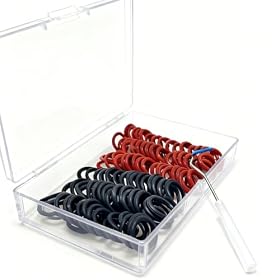
A hose can have the correct length and pressure rating but still leak because of worn or incompatible fittings. Before connecting it, inspect the threads, quick-connect plugs, O-rings, and retaining collars.
Replace damaged or flattened O-rings rather than trying to stop a leak by overtightening a connection. Do not force mismatched threads together. Cross-threading can damage the fitting on the pressure washer or spray gun, turning a hose replacement into a larger repair.
When installing the hose:
Turn off the pressure washer and disconnect it from power.
Shut off the water supply and squeeze the spray-gun trigger to release trapped pressure.
Inspect and clean the connection points.
Attach the hose by hand, making sure each fitting is fully seated.
Turn on the water supply before starting the machine.
Check for leaks at low or no pressure first, then operate the washer according to the manual.
If a connection leaks immediately, stop using the pressure washer and recheck the fitting type and seal. High-pressure water can penetrate skin and cause serious injury, so never search for a leak with your hands while the system is pressurized.
Avoid common replacement-hose mistakes
Buying by length alone
A hose may be the right length but have the wrong fittings or an insufficient pressure rating. Verify all specifications before ordering.
Using a garden hose as the pressure hose
A garden hose supplies water to the pressure washer and is not designed for the high-pressure outlet between the pump and spray gun. Use only a hose intended for pressure-washer discharge pressure.
Choosing a hose with a lower rating
The hose’s maximum working pressure should not be below the pressure washer’s rated maximum. Do not rely on a machine’s typical operating pressure if its manual lists a higher maximum.
Ignoring hot-water compatibility
Cold-water and hot-water hoses are not automatically interchangeable. Confirm the temperature rating for the equipment and cleaning conditions.
Storing the hose tightly kinked
Sharp bends can weaken the reinforcement and restrict flow. Coil the hose in broad loops, protect it from vehicle tires and sharp edges, and drain it before storage when freezing temperatures are possible.
When an adapter makes sense
An adapter may solve a connection mismatch, but it adds another joint that can leak or reduce convenience. Use an adapter only when it is designed for the pressure, temperature, and connection standards involved.
The simplest and safest option is usually a hose made for the pressure washer’s connection system. If the machine uses a proprietary fitting or the correct replacement is unclear, consult the manufacturer’s parts information or a qualified service provider instead of modifying the connection.
When to replace the hose—and when to check the pressure washer
Replace the hose if it has cuts, bulges, exposed reinforcement, severe abrasion, damaged fittings, persistent leaks, or stiffness that prevents safe handling. A hose that has burst should not be patched for high-pressure use.
If a properly rated replacement hose still leaks, has weak flow, or will not connect securely, the problem may be a damaged spray-gun inlet, pump outlet, adapter, O-ring, or pressure washer fitting. Stop using the equipment until the cause is identified. For damaged machine-side fittings, internal leaks, or electrical problems, follow the manufacturer’s service instructions or use a qualified repair professional.
Quick buying checklist
Before ordering a replacement high-pressure hose, confirm:
Compatibility with the specific pressure washer and spray gun
A correctly matched hose should connect without force, remain leak-free under normal operation, and be easy enough to handle that it will not be dragged, sharply kinked, or stored under damaging tension.
FAQ
Can I use any high-pressure hose with my pressure washer?
No. The hose must match the pressure washer’s connection type, pressure rating, temperature rating, and flow requirements. Proprietary fittings may also limit compatibility.
What pressure rating should a replacement pressure washer hose have?
Its maximum working-pressure rating should meet or exceed the pressure washer’s maximum rated pressure. Do not use the burst-pressure figure as the normal operating rating.
Does a longer pressure washer hose reduce pressure?
A longer hose can affect flow and handling, especially if its diameter is not appropriate for the pressure washer. Use a length and diameter recommended for the machine and avoid adding unnecessary hose length.
Can I repair a damaged high-pressure hose?
Do not patch or splice a high-pressure hose unless the manufacturer specifically approves a repair method and compatible parts. Cuts, bulges, exposed reinforcement, and damaged fittings generally call for replacement.
Why is my replacement pressure washer hose leaking?
Common causes include mismatched fittings, damaged or missing O-rings, cross-threaded connections, debris in the fitting, or a damaged machine-side connector. Depressurize the system before inspecting it and never check for leaks with your hand while pressurized.