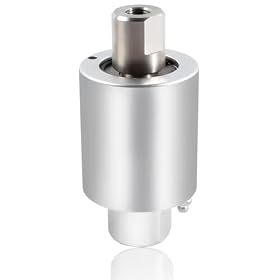
Swirl marks usually come from uneven spray, a clogged or mismatched nozzle, a damaged swivel, or moving the surface cleaner too quickly. Follow these checks before replacing the unit.
A surface cleaner leaving swirl marks usually has an uneven rotating spray pattern rather than a simple pressure problem. Start by inspecting and cleaning both spray nozzles, then check for a clogged hose, air leaks, incorrect nozzle sizing, an uneven cleaner deck, or a worn swivel bearing. Use the cleaner only on a suitable surface, follow the manufacturer’s setup instructions, and never inspect the spray bar while the pressure washer is running.
Stop using it and make the basic checks
Turn off the pressure washer, shut off the water supply, squeeze the trigger to release trapped pressure, and disconnect the spray gun or hose before touching the surface cleaner. Wear eye protection and keep hands away from nozzle openings; a pressure washer can inject water into skin even after the motor stops if pressure remains in the system.
Before troubleshooting, look at the marks:
Even circular rings: The cleaner may be moving too quickly, held unevenly, or operated with an arm or nozzle that is not rotating correctly.
One-sided or repeating streaks: One nozzle may be clogged, damaged, loose, or mismatched.
A dirty strip between passes: Your passes may not overlap enough, or the cleaner may not be level.
Random dark and light patches: The surface may have uneven soil, detergent residue, or old coating that is cleaning at different rates.
1. Clean and inspect the surface-cleaner nozzles
The two small nozzles under the deck are the most common physical cause of an uneven pattern. A small piece of grit can reduce flow through one nozzle, causing the spray bar to slow down or clean more heavily on one side.
With the equipment depressurized:
Remove the nozzles only if the manufacturer’s instructions permit it.
Rinse them with clean water.
Use the correct nozzle-cleaning tool if supplied.
Inspect the openings for dents, erosion, or embedded debris.
Reinstall them securely in their original positions.
Do not drill out a nozzle or force a wire through an opening unless the manufacturer specifically approves that method. Changing the orifice changes the flow and spray pattern, and a damaged nozzle should be replaced with a compatible part.
If the nozzles are different from each other, installed at different angles, or replaced with tips that do not match the cleaner, the spray bar may rotate unevenly. Use the nozzle size and type specified for your particular pressure washer and surface cleaner. A nozzle must be compatible with both the machine’s pressure and its water flow; PSI alone is not enough to select one.
Product prices and availability are accurate as of the date/time indicated and are subject to change. Any price and availability information displayed on Amazon.com at the time of purchase will apply to the purchase of this product.
2. Check the hose, wand connection, and water supply
A restriction before the surface cleaner can make the spray bar surge or rotate inconsistently.
A trigger or wand connection that is not fully seated
A hose that is too small, damaged, or incompatible with the machine
Disconnect the surface cleaner and briefly check the pressure washer with the spray wand, following the manufacturer’s instructions. If the wand also pulses or loses pressure, the problem is probably upstream of the surface cleaner. Do not run the pump without an adequate water supply, and do not operate it dry.
Product prices and availability are accurate as of the date/time indicated and are subject to change. Any price and availability information displayed on Amazon.com at the time of purchase will apply to the purchase of this product.
3. Look for leaks and damaged seals
Leaks at the quick-connect, swivel, hose, or spray-bar fittings can reduce pressure at one or both nozzles. They can also allow the rotating assembly to wobble.
After releasing pressure, inspect for:
Water dripping from the swivel body
A cracked or loose fitting
A missing O-ring
Flattened, cut, or swollen seals
A spray bar that moves side to side instead of rotating smoothly
Replace seals with the correct parts rather than stacking extra O-rings or using general-purpose substitutes that may not tolerate pressure. If the swivel leaks from its body, feels rough, or has noticeable play, it may need a replacement swivel or spray-bar assembly rather than more tightening. Avoid using excessive force on plastic fittings.
4. Confirm the surface cleaner is set up correctly
A surface cleaner works best when the deck is level and the spray bar is at the height intended by its manufacturer. Keep the cleaner flat against the surface unless the manual specifies another operating position.
Also check that:
The surface cleaner is connected to the correct outlet or wand
The spray bar is not bent
Wheels or casters are adjusted evenly, if equipped
The deck is not dragging on one side
The nozzle direction matches the manual
The cleaner is not being used with an extension or adapter that changes its operating position
Do not use a surface cleaner with a pressure washer that falls outside its stated pressure or flow range. Too little flow can prevent proper rotation and cleaning, while excessive pressure or an incompatible nozzle setup can damage the cleaner or the surface.
5. Change your cleaning speed and pattern
Moving too fast can leave bands between passes, while stopping or moving unevenly can create darker circular areas. Start with a small test section and use slow, steady passes. Keep the cleaner flat, avoid pivoting sharply, and overlap each pass slightly.
For heavily soiled concrete, make a slow first pass and inspect the result before increasing speed. A surface cleaner removes soil more uniformly when the spray bar maintains a consistent distance from the surface. Do not repeatedly hold the cleaner in one spot; concentrated spray can etch concrete, strip coatings, or damage softer materials.
Use a lower-pressure approach for surfaces that can be damaged, and follow the surface and pressure-washer manufacturer’s guidance. Painted, sealed, wood, composite, and older concrete surfaces may require a different tool or cleaning method than uncoated concrete.
6. Check for a worn swivel or bent spray bar
If the nozzles are clean, the connections are sound, and the cleaner still leaves a consistent circular pattern, inspect the rotating assembly. With the unit disconnected and depressurized, gently check whether the spray bar rotates smoothly and stays centered.
A damaged swivel bearing can cause wobble, slow rotation, or intermittent stopping. A bent spray bar can also bring one nozzle closer to the surface than the other. These faults generally cannot be corrected by changing the washer’s pressure setting.
Replace the affected swivel, spray bar, or surface-cleaner assembly when the part is not serviceable or when replacement parts cost nearly as much as a compatible new cleaner. Choose a replacement based on the pressure washer’s rated PSI and gallons per minute, the cleaner’s connection type, the deck size, and the manufacturer’s required nozzle configuration—not deck size alone.
When to replace the cleaner or call for service
A replacement surface cleaner is reasonable when the deck is cracked, the swivel has excessive play, the spray bar is permanently bent, or compatible repair parts are unavailable. If the pressure washer itself surges with every attachment, trips a breaker, smells hot, leaks oil, or cannot maintain pressure, stop troubleshooting the surface cleaner and have the pressure washer serviced according to its manual.
Stop using the equipment and contact a qualified professional if a fitting, pump, or high-pressure hose is damaged. Do not disassemble a pressurized pump or bypass safety controls. After repairs, test on an inconspicuous area first and confirm that the spray pattern is even before cleaning the full surface.
FAQ
Why does my surface cleaner leave circular marks?
Circular marks usually result from uneven nozzle flow, a clogged or damaged nozzle, a worn swivel, an unlevel cleaner, or inconsistent movement. Clean and inspect the nozzles first, then check the rotating assembly and your cleaning speed.
Can I use different pressure washer nozzles on a surface cleaner?
Only use nozzle types and orifice sizes approved for that surface cleaner and pressure washer. A mismatched nozzle can change the flow, rotation speed, and spray pattern. Do not drill or enlarge a nozzle opening.
Why is my surface cleaner leaving stripes between passes?
Stripes can come from moving too quickly, holding the cleaner unevenly, or failing to overlap adjacent passes. A clogged nozzle or a bent spray bar can also produce a repeating stripe, so inspect the equipment before changing technique.
Should I increase PSI to remove swirl marks?
Not automatically. Increasing pressure may damage concrete, coatings, wood, or other surfaces and will not fix a clogged nozzle, leak, or worn swivel. Use the pressure and flow range specified for the surface cleaner and the material being cleaned.