A generator does not power a gas pressure washer, but owning one may make a gas washer a practical part of a portable outdoor cleaning setup. Compare PSI, GPM, engine starting, hose reach, maintenance, and surface safety before buying.
A gas pressure washer can be a good choice if you already own a generator, especially when you clean far from an outlet or want equipment that works independently of household power. However, the generator does not provide a special performance advantage to the washer: a gas pressure washer uses its own engine and fuel. The better choice depends on the jobs, surfaces, portability, and maintenance you can accept.
Does owning a generator make a gas pressure washer better?
Not directly. A gas pressure washer does not need a generator because its pump is driven by a gasoline engine. You would typically run the generator separately for lights, a shop vacuum, battery chargers, or other equipment—not to operate the gas washer itself.
Your generator may still influence the buying decision in a few practical ways:
You already have a portable outdoor setup. A gas washer can fit the same jobsite or property-maintenance routine without depending on utility power.
You work where outlets are unavailable. A gas washer can operate at a driveway, dock, farm building, or remote property, subject to safe fuel handling and local rules.
You want backup equipment after an outage. The generator can handle electrical needs while the pressure washer handles outdoor cleaning independently.
You value long hose runs. A gas unit may be easier to position outdoors than an electric washer that needs an extension cord.
If your main reason is simply that you already own gasoline equipment, do not assume a gas pressure washer is automatically the best purchase. Electric models can be quieter, easier to start, and simpler for occasional cleaning near a suitable outlet.
What to compare in a gas pressure washer
PSI and GPM
PSI describes pressure, while GPM describes water flow. PSI helps with the force available at the nozzle; GPM affects how quickly dirt and detergent residue are rinsed away. A higher PSI number alone does not guarantee faster cleaning.
For purchase decisions, consider the combined cleaning output, the included nozzles, and whether the washer is appropriate for your surfaces. More power can increase the risk of damaging wood, paint, mortar, vehicle trim, and other delicate materials.
Engine starting and controls
Look for controls that are straightforward to access, including the fuel shutoff, choke, throttle if fitted, and on/off switch. Some gas washers use recoil starting, while others may include additional starting features. Choose a setup you can operate confidently and maintain according to the manual.
A washer that is difficult to start can be frustrating if it sits unused for long periods. Fuel age, a dirty carburetor, a fouled spark plug, and stale gasoline are common causes of starting problems.
Pump design and serviceability
The pump is a major wear component. Check the manufacturer's guidance for pump maintenance, allowable water temperature, winter storage, and replacement parts. Do not run a gas pressure washer without an adequate water supply; doing so can damage the pump.
A serviceable design may be preferable if you expect frequent use. For occasional household cleaning, ease of storage and reliable starting may matter more than maximum output.
Hose length and connections
A longer high-pressure hose can reduce how often you move the machine, but it must be rated for the washer's pressure and use the correct fittings. Avoid treating a standard garden hose as a high-pressure replacement.
If the included hose is short, verify that replacement or extension hoses are approved for your specific washer. Incorrect fittings or an underrated hose can leak, burst, or reduce performance.
Wheels, frame, and storage
Gas washers are often heavier than compact electric models because of the engine, fuel system, frame, and pump. Check whether you can load, unload, and move the unit over the surfaces where you will use it.
Also consider:
Space for upright or horizontal storage
Fuel-draining or fuel-stabilization requirements
Access to the oil-fill and drain points
Protection from rain and freezing temperatures
Whether the frame keeps hot engine parts away from nearby surfaces
Gas pressure washers for remote or large-area cleaning
Product prices and availability are accurate as of the date/time indicated and are subject to change. Any price and availability information displayed on Amazon.com at the time of purchase will apply to the purchase of this product.
When a gas pressure washer is the better choice
A gas washer is usually worth considering when you need to clean large areas, work away from outlets, or use the machine regularly enough to justify engine maintenance. It is also useful when extension cords would be inconvenient, unsafe, or difficult to route.
Common suitable jobs include large driveways, decks, fences, farm equipment, trailers, and exterior surfaces where water access and ventilation are available. Use the lowest effective pressure and the correct nozzle rather than relying on maximum output for every task.
Never operate a gas pressure washer in a garage, shed, enclosed porch, basement, vehicle, or other partially enclosed area. Carbon monoxide from the engine can build up quickly. Keep the unit outdoors, away from doors, windows, and air intakes, and follow the safety instructions supplied with the machine.
Product prices and availability are accurate as of the date/time indicated and are subject to change. Any price and availability information displayed on Amazon.com at the time of purchase will apply to the purchase of this product.
When an electric washer may be the smarter choice
Choose an electric model instead if most of your cleaning is near a suitable outlet and you prioritize low noise, easier starting, lower routine maintenance, or a smaller footprint. For cars, patio furniture, small patios, and occasional light-duty work, a gas engine may add unnecessary weight and upkeep.
Your generator could provide power for an electric washer in an off-grid situation, but this arrangement requires careful attention to generator capacity, grounding, cord ratings, weather protection, and the washer's electrical requirements. Do not use a generator or pressure washer in wet conditions unless the manufacturer's instructions specifically allow the setup. Keep electrical connections away from standing water, and consult a qualified electrician when you are unsure about the installation.
Match the washer to the surface
A gas-powered washer can damage surfaces even when the operator is careful. Before cleaning:
Start with the widest-angle nozzle and the lowest effective pressure.
Test an inconspicuous area.
Hold the wand far enough away to avoid gouging or stripping.
Keep the nozzle moving instead of concentrating spray in one spot.
Avoid directing high-pressure water into siding seams, window seals, electrical fixtures, vents, or vehicle bearings.
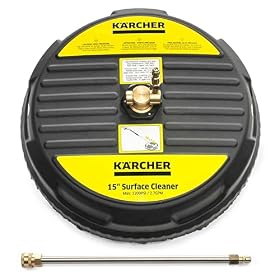
Wood, painted surfaces, old mortar, asphalt shingles, and vehicle finishes deserve particular caution. A surface cleaner can produce more even results on suitable flat hard surfaces, but it must still be used at a compatible pressure and flow rate.
Fuel and storage considerations
If the pressure washer will sit between uses, follow the engine maker's instructions for gasoline storage. Use only the recommended fuel, keep fuel containers approved and closed, and never refuel a hot or running engine. Let the engine cool before transport or storage.
For seasonal storage, the manual may call for fuel stabilization or draining, oil service, pump protection, and freeze protection. Water left in the pump or hose can freeze and cause damage. Do not store the unit where fuel vapors can collect near flames, pilot lights, or electrical ignition sources.
A practical buying decision
A gas pressure washer is a sensible match for a generator owner when you regularly clean large or remote areas and are comfortable maintaining a small engine. Prioritize appropriate PSI and GPM, dependable starting, serviceable parts, a suitable hose, stable transport, and safe outdoor operation.
Buy electric instead when your jobs are smaller, an outlet is readily available, and convenience and low maintenance matter more than off-grid flexibility. In either case, select the washer for the surface and cleaning task—not simply the highest advertised PSI.
If you already own a generator, think of it as complementary equipment rather than a reason to buy a gas washer. The generator can support the rest of your portable setup, while the pressure washer's own engine supplies its cleaning power.
FAQ
Can a generator run a gas pressure washer?
A gas pressure washer normally does not need a generator because its gasoline engine powers the pump. A generator may power separate equipment, but it is not normally used to operate the washer itself.
Is a gas pressure washer better than an electric one for remote work?
Usually, yes. A gas washer does not require an electrical outlet or extension cord. It is heavier and requires fuel and engine maintenance, so an electric model may still be better for small jobs near a dependable outlet.
What matters more, PSI or GPM?
Both matter. PSI relates to spray force, while GPM affects rinsing speed and overall water flow. Compare both figures and use the lowest effective pressure for the surface you are cleaning.
Can I use a gas pressure washer in a garage with the door open?
No. Do not operate a gasoline pressure washer in a garage or other partially enclosed area. Carbon monoxide can accumulate even when a door is open. Operate it outdoors and keep exhaust away from doors, windows, and air intakes.