For a two-car driveway, choose an electric pressure washer with enough flow rate to cover the area efficiently without relying on excessive pressure. Here is how to match the machine, nozzle, hose, and cleaning method to your driveway surface.
An electric pressure washer can clean a typical two-car driveway, but the right choice depends more on usable water flow, hose reach, and the driveway surface than on the highest advertised PSI. For routine concrete cleaning, look for a unit with roughly 1,800 to 2,300 PSI and at least 1.2 to 1.5 gallons per minute (GPM), plus a suitable surface-cleaning attachment if you want more even results.
Start with the driveway surface
Concrete
Concrete generally tolerates more cleaning pressure than painted or delicate surfaces, but excessive pressure can still etch the surface, expose aggregate, or leave visible stripes. A medium-pressure electric washer is usually adequate for dirt, algae, light oil residue, and weather staining when used with the correct nozzle and technique.
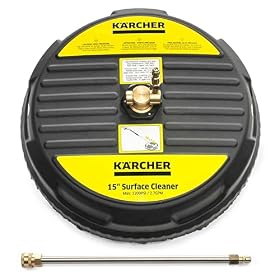
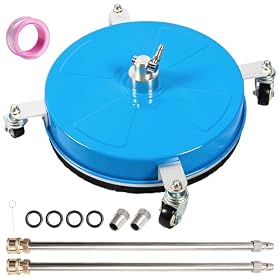
A surface cleaner is particularly useful on a two-car driveway. It uses rotating spray nozzles under a protective housing, helping produce more consistent passes than a handheld wand. Check that the surface cleaner is rated for your pressure washer's PSI and GPM.
Asphalt
Asphalt requires more caution. High pressure can loosen surface material, damage weak areas, or remove protective coatings. Use a wider spray pattern, keep the nozzle farther from the surface, and avoid concentrating the spray on cracks, edges, and damaged sections. Follow the asphalt manufacturer's or contractor's recommendations if the driveway is sealed or recently installed.
Pavers and other surfaces
Pavers may have loose joint sand, old sealer, or uneven sections. Start at a low-pressure setting or with a wider nozzle and test an inconspicuous area. Pressure washing can remove joint sand, so plan for possible re-sanding after the surface dries.
How much PSI and GPM do you need?
PSI measures pressure; GPM measures water flow. PSI affects the force at the surface, while GPM affects how quickly dirt and cleaning solution are rinsed away. A washer with high PSI but low flow may feel forceful but take longer to clean a large driveway.
For a two-car driveway, a practical electric-washer target is:
About 1,800–2,300 PSI: suitable for many routine concrete-cleaning jobs when used carefully.
About 1.2–1.5 GPM or more: helps rinse dirt and detergent at a reasonable pace.
A usable medium-pressure setting: more important than maximum pressure for avoiding surface damage.
Manufacturers may advertise maximum or “peak” PSI rather than the pressure delivered during normal operation. Compare operating specifications when they are provided, and do not choose solely by the largest number on the box.
A rough cleaning-power comparison is PSI × GPM. This is not a complete performance test, but it helps explain why flow rate matters. For driveway work, a modest increase in GPM can make a noticeable difference in rinsing speed.
Product prices and availability are accurate as of the date/time indicated and are subject to change. Any price and availability information displayed on Amazon.com at the time of purchase will apply to the purchase of this product.
Features that matter for a two-car driveway
Hose length and reach
A longer high-pressure hose can reduce the need to move the machine repeatedly. Measure the distance from your outdoor water connection and electrical outlet to the farthest part of the driveway. A hose that is too short can force awkward positioning or require extensions that are not approved by the manufacturer.
Electrical requirements
Electric pressure washers commonly draw substantial current. Plug the unit directly into a properly grounded outlet protected by a GFCI where required. Avoid using a lightweight extension cord, and follow the manufacturer's guidance for cord length, gauge, and outdoor use. If the outlet trips repeatedly, stop and identify the cause rather than bypassing the protection.
Keep electrical connections away from standing water. Do not operate a damaged cord, plug, or pressure-washer housing.
Detergent application
A detergent tank or compatible detergent injector can help with organic film, grime, and general driveway soil. Use only cleaning products approved for pressure washers and the driveway surface. Detergent is not a substitute for pressure: let it dwell according to its instructions, but do not allow it to dry before rinsing.
Surface-cleaner compatibility
For a two-car driveway, a surface cleaner can save time and reduce wand marks. Match its required PSI and minimum GPM to the pressure washer. If the washer does not produce enough flow, the attachment may rotate poorly or leave inconsistent cleaning patterns.
Product prices and availability are accurate as of the date/time indicated and are subject to change. Any price and availability information displayed on Amazon.com at the time of purchase will apply to the purchase of this product.
A practical driveway-cleaning method
Sweep away loose gravel, leaves, and debris.
Protect nearby plants, outdoor furniture, outlets, and vulnerable finishes.
Pre-wet or apply detergent as directed by the product instructions.
Begin with a wide spray pattern and low stand-off distance—meaning keep the nozzle farther from the surface.
Test a hidden area before cleaning the full driveway.
Use overlapping passes rather than holding the spray in one place.
Keep the wand moving, especially near edges, cracks, painted markings, and damaged concrete.
Rinse from the highest part of the driveway toward the drainage area.
Inspect while the surface is still wet and again after it dries.
Do not aim the spray at people, pets, vehicles, windows, electrical equipment, or loose surface material. Wear eye protection and suitable footwear.
Product prices and availability are accurate as of the date/time indicated and are subject to change. Any price and availability information displayed on Amazon.com at the time of purchase will apply to the purchase of this product.
When an electric washer is not the best choice
An electric unit may be a poor fit if the driveway is unusually large, heavily neglected, covered in thick growth, or located far from a suitable water and electrical connection. A gas-powered washer or professional service may complete that work faster, but higher output also increases the risk of surface damage.
For a normal two-car driveway, an electric model is usually the more convenient choice if you can accept a slower pace and use a compatible surface cleaner. If the concrete is cracked, flaking, newly installed, or coated, repair or sealing advice may matter more than buying a stronger machine.
FAQ
What PSI is best for washing a two-car driveway?
For many concrete driveways, an electric pressure washer with roughly 1,800 to 2,300 PSI is a practical range. Use a lower setting or wider spray pattern for asphalt, pavers, painted surfaces, damaged concrete, and other vulnerable materials.
Is GPM important for driveway cleaning?
Yes. GPM determines how much water is available for rinsing and strongly affects cleaning speed. A washer producing about 1.2 to 1.5 GPM or more is generally more practical for a two-car driveway than a similarly rated unit with very low flow.
Do I need a surface cleaner for a two-car driveway?
You can clean a driveway with the spray wand, but a compatible surface cleaner usually makes large flat areas more uniform and reduces wand marks. Confirm that its PSI and minimum GPM requirements match the pressure washer.
Can an electric pressure washer remove oil from concrete?
It may remove light oil residue, especially when paired with a suitable concrete-safe detergent. Deep or old oil stains may need a dedicated degreaser and repeated treatment, and pressure alone may not remove them completely.
Can I use an extension cord with an electric pressure washer?
Only if the manufacturer permits it and specifies the correct outdoor-rated cord size and maximum length. Use a grounded, GFCI-protected connection and never operate with damaged electrical components.